01
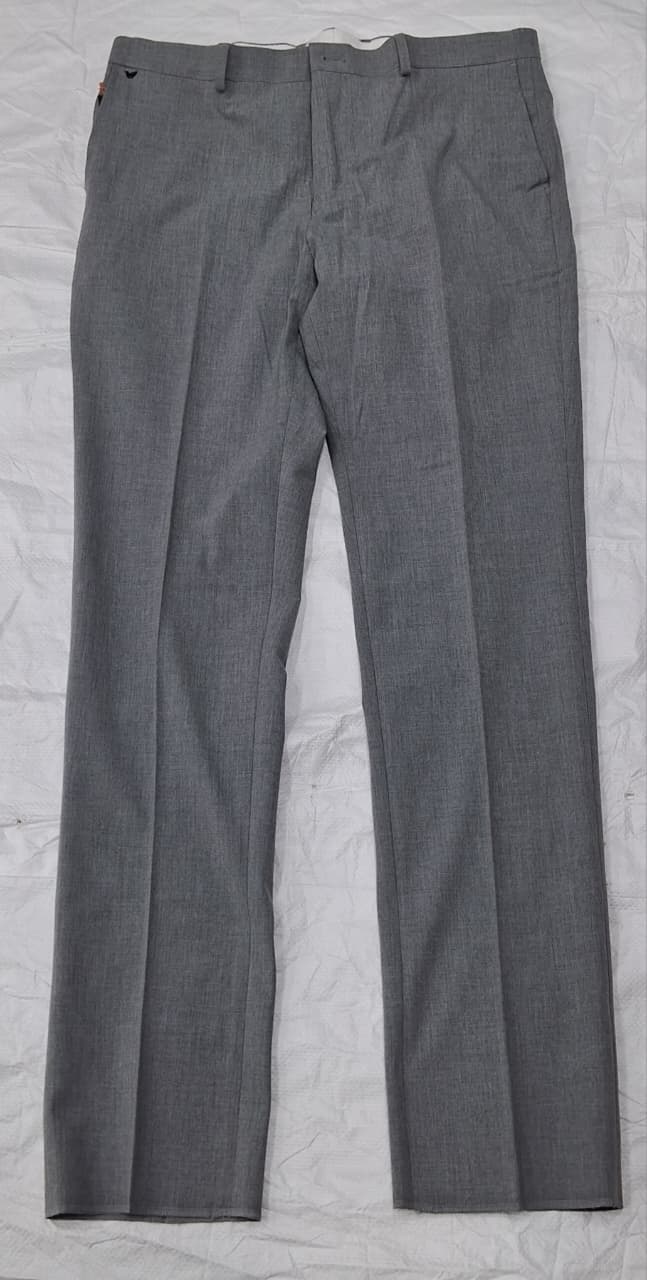
Wool & Wool-Blend Fabrics
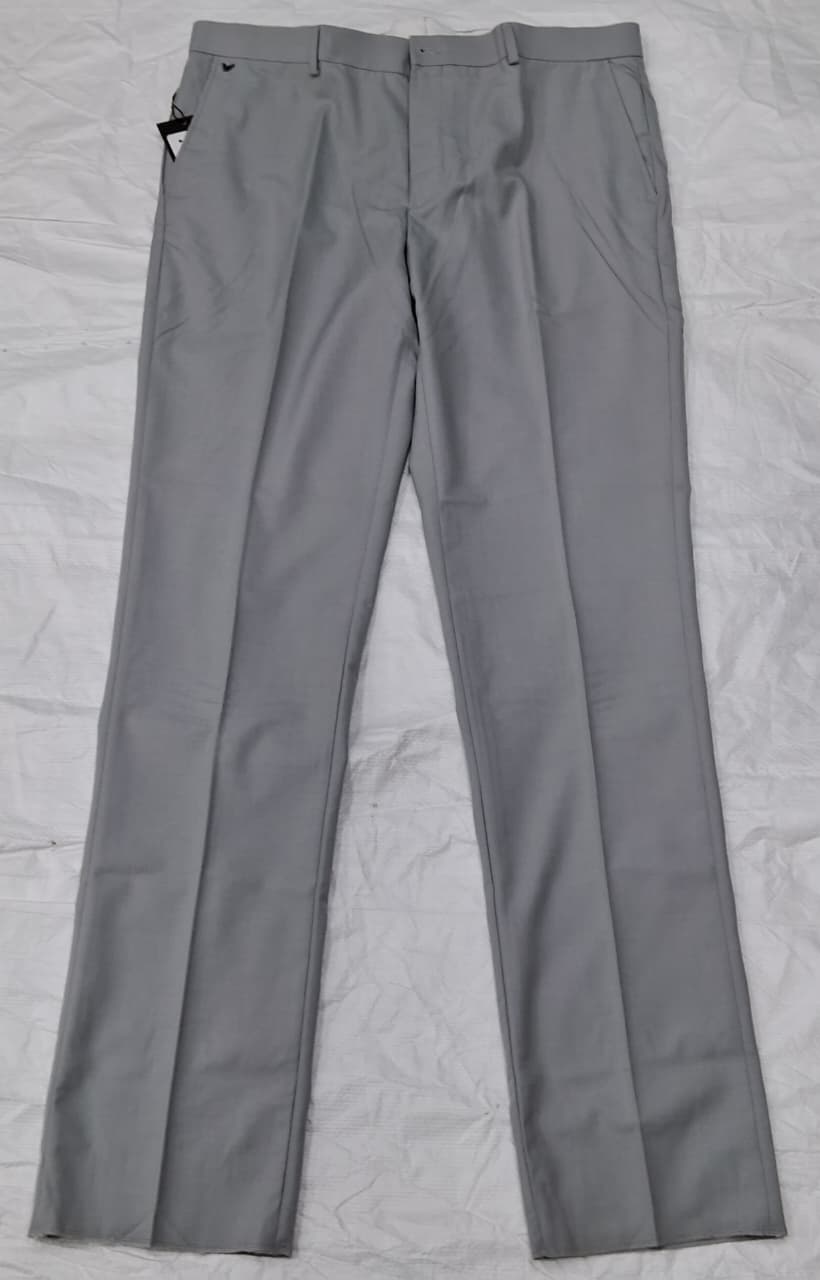
Wool is the classic suiting fibre for good reason. Its natural crimp gives cloth spring and resilience, so creases fall out overnight and a pressed line returns readily. Wool also manages moisture well, absorbing vapour before it feels damp. Blending wool with polyester or viscose adds durability, reduces weight and simplifies care, while keeping much of wool’s drape.
Influences: fluid drape, crisp crease retention, refined professional presentation.
02
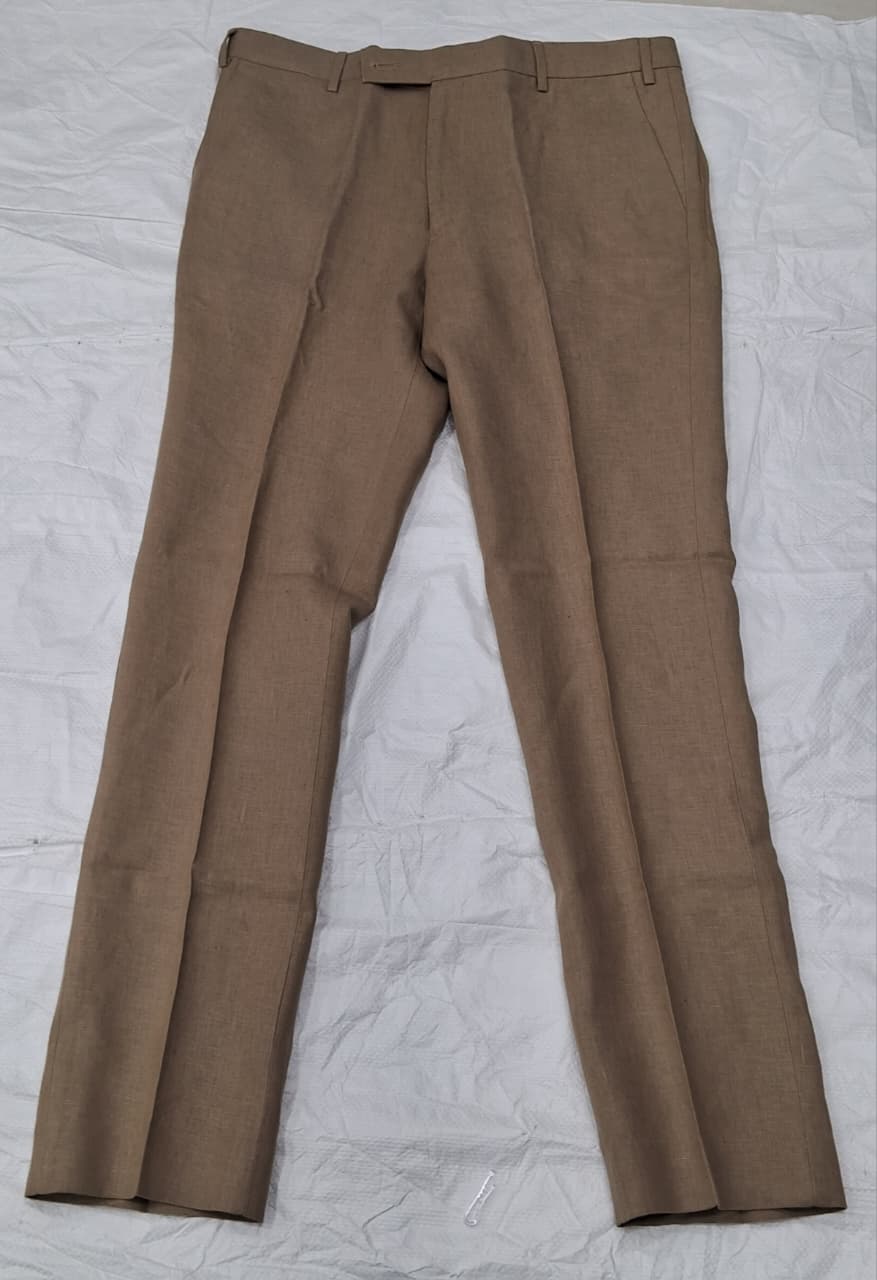
Cotton Formal Trousers
Cotton is soft, breathable and absorbent, with a matte surface that reads a little more relaxed than wool. Woven as twill or gabardine, it gains body and a smart finish suited to office wear. Cotton creases more readily than wool, so look for tighter weaves or cotton blends if you want a sharper appearance through the day.
Influences: cool comfort, matte appearance, business-casual versatility.
03
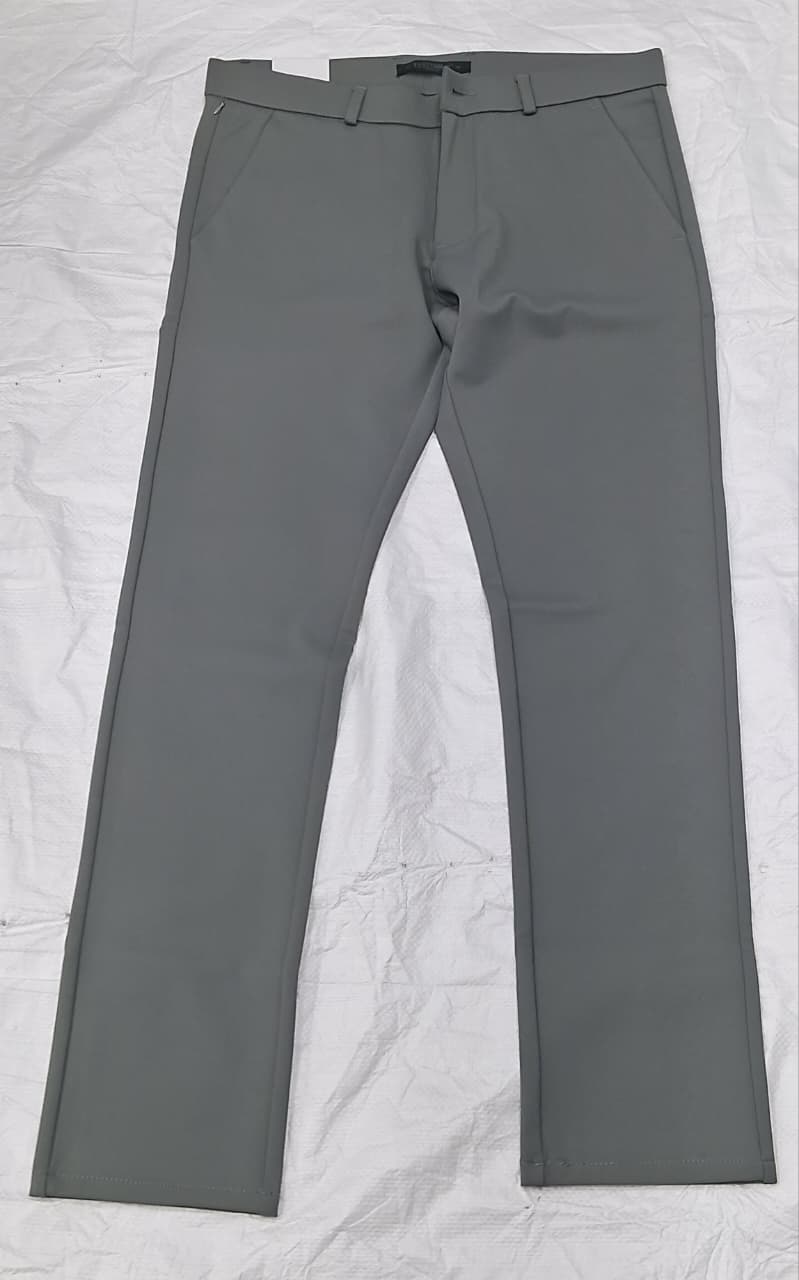
Stretch Fabric Construction
Stretch cloths include a small percentage of elastane (often called spandex or Lycra) alongside cotton, polyester, viscose or wool. The elastane yarn lets the fabric extend as you sit, bend or climb stairs, then pull back to shape. The key quality marker is recovery: a good stretch cloth springs back fully, avoiding baggy knees and a loose seat.
Influences: freedom of movement, closer fits without restriction, shape retention.
04
Lightweight Suiting Materials
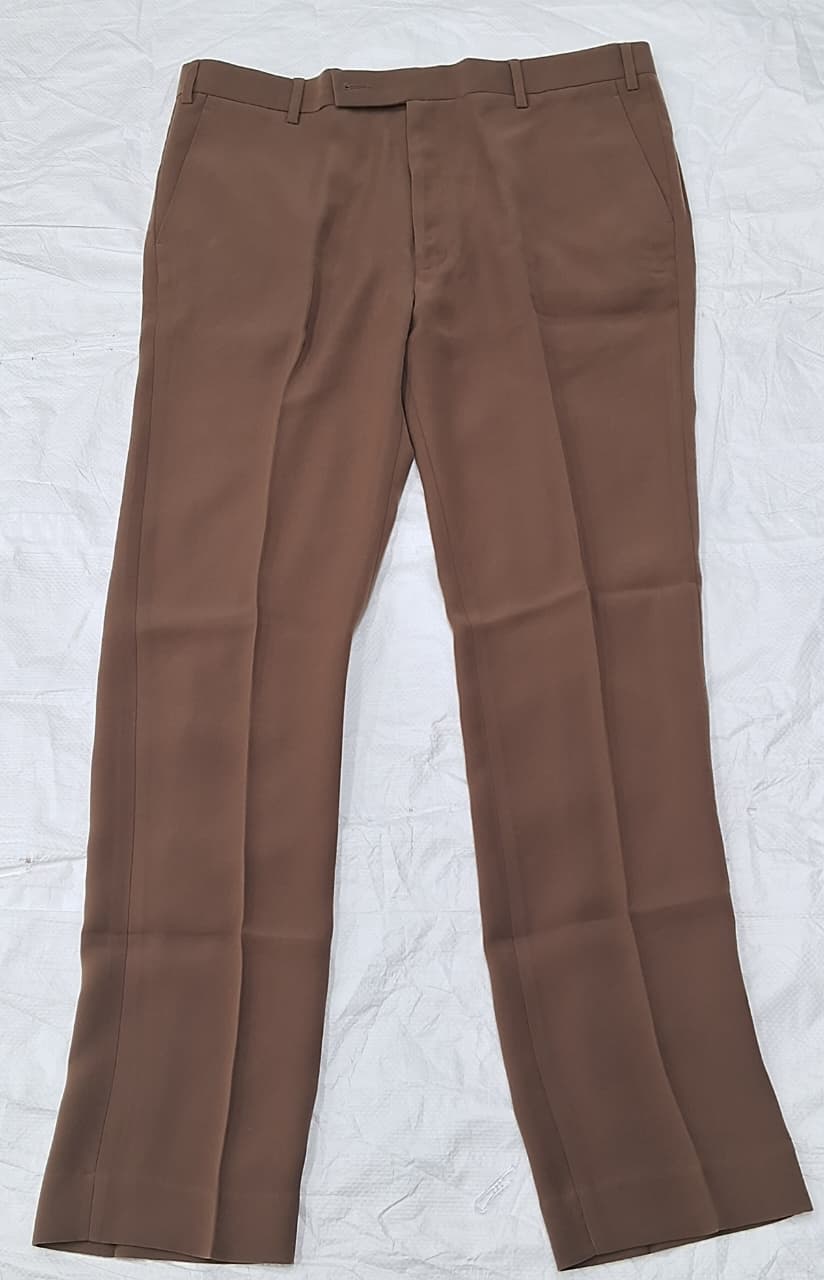
Lightweight suitings use finer yarns and more open weaves to reduce weight per metre while keeping a formal face. Tropical-weight cloths let air pass through the weave and are well suited to warm, humid cities. Because they are lighter, they drape more softly and benefit from a precise fit so the line stays clean.
Influences: airy comfort, soft drape, polished warm-weather dressing.
05
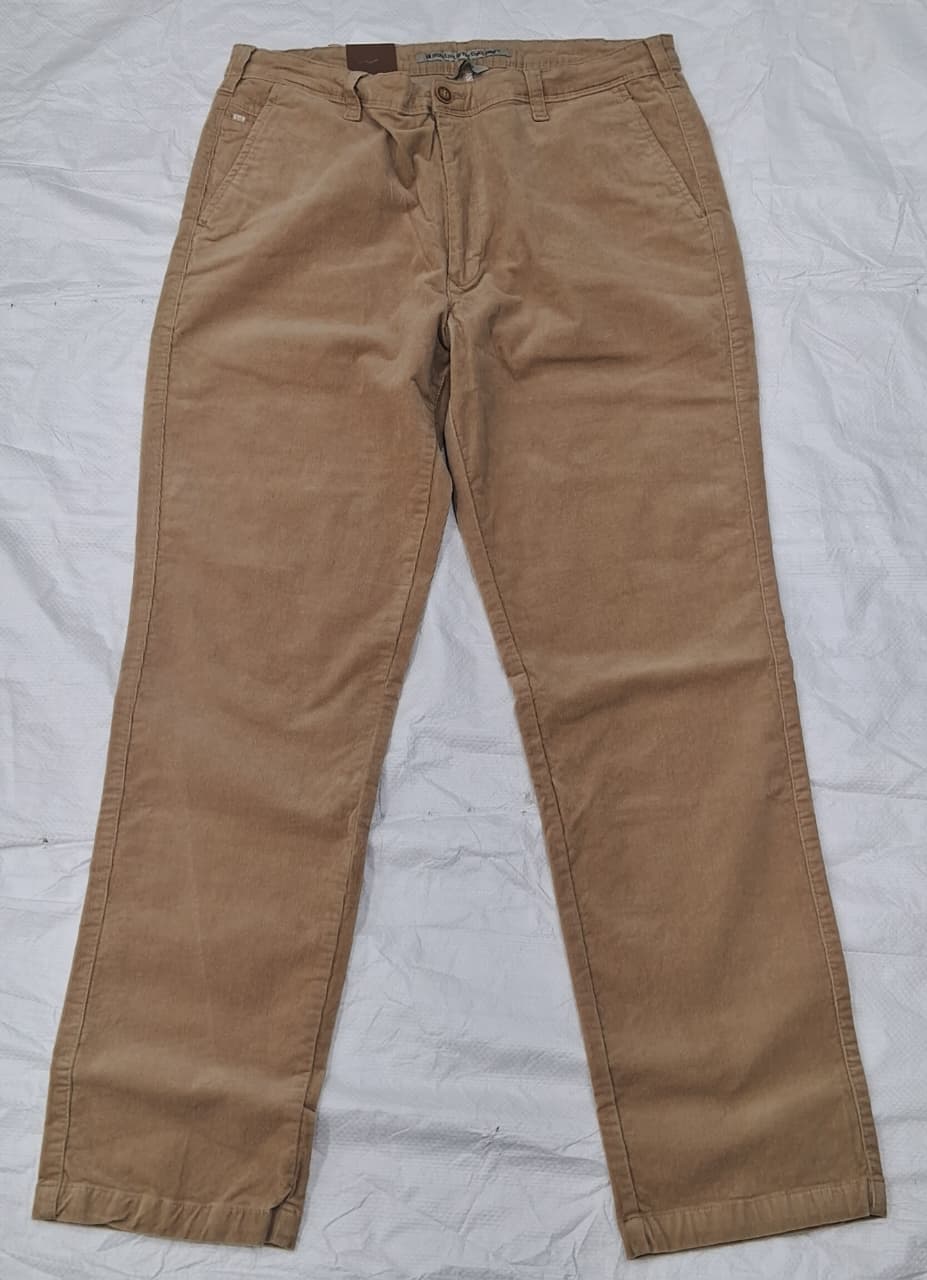
Textured Fabric Finishes
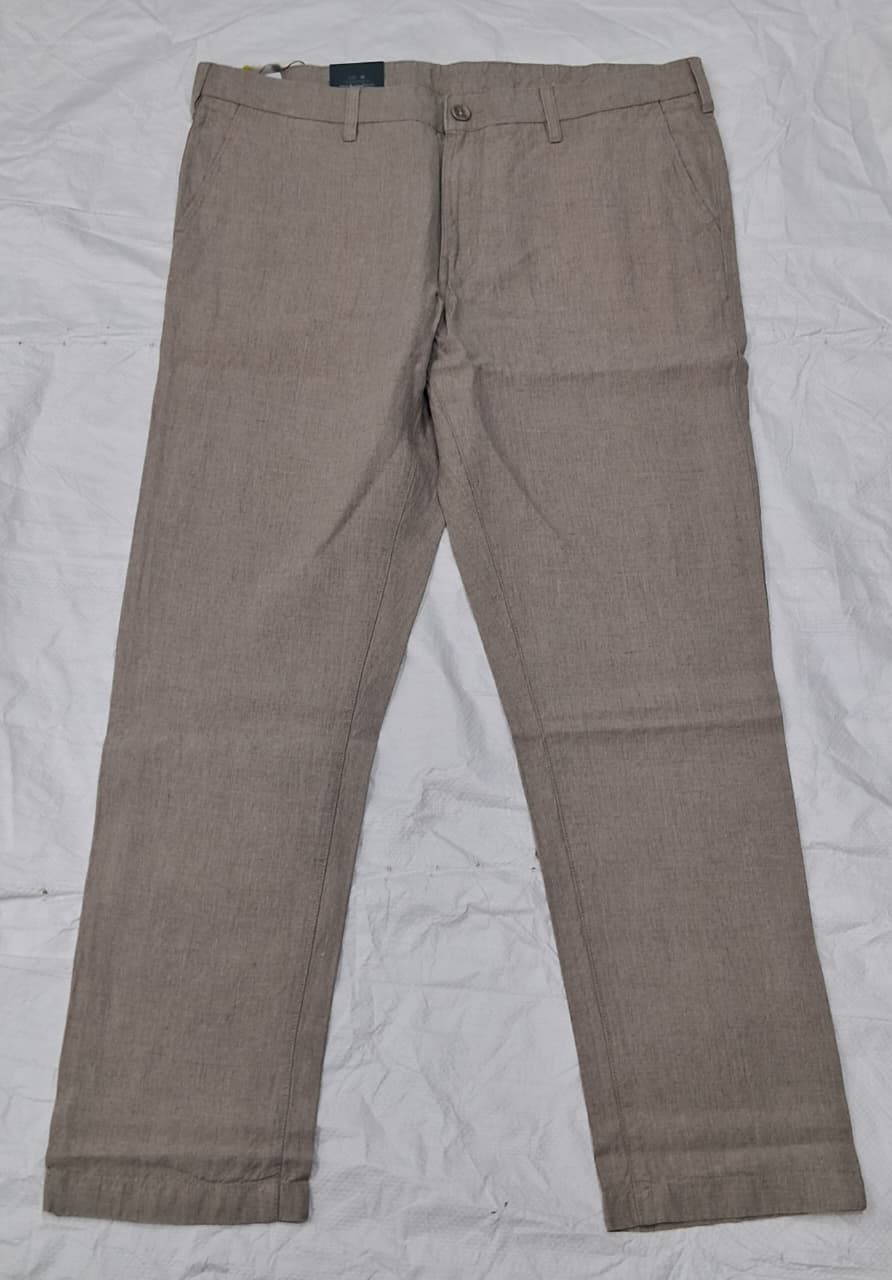
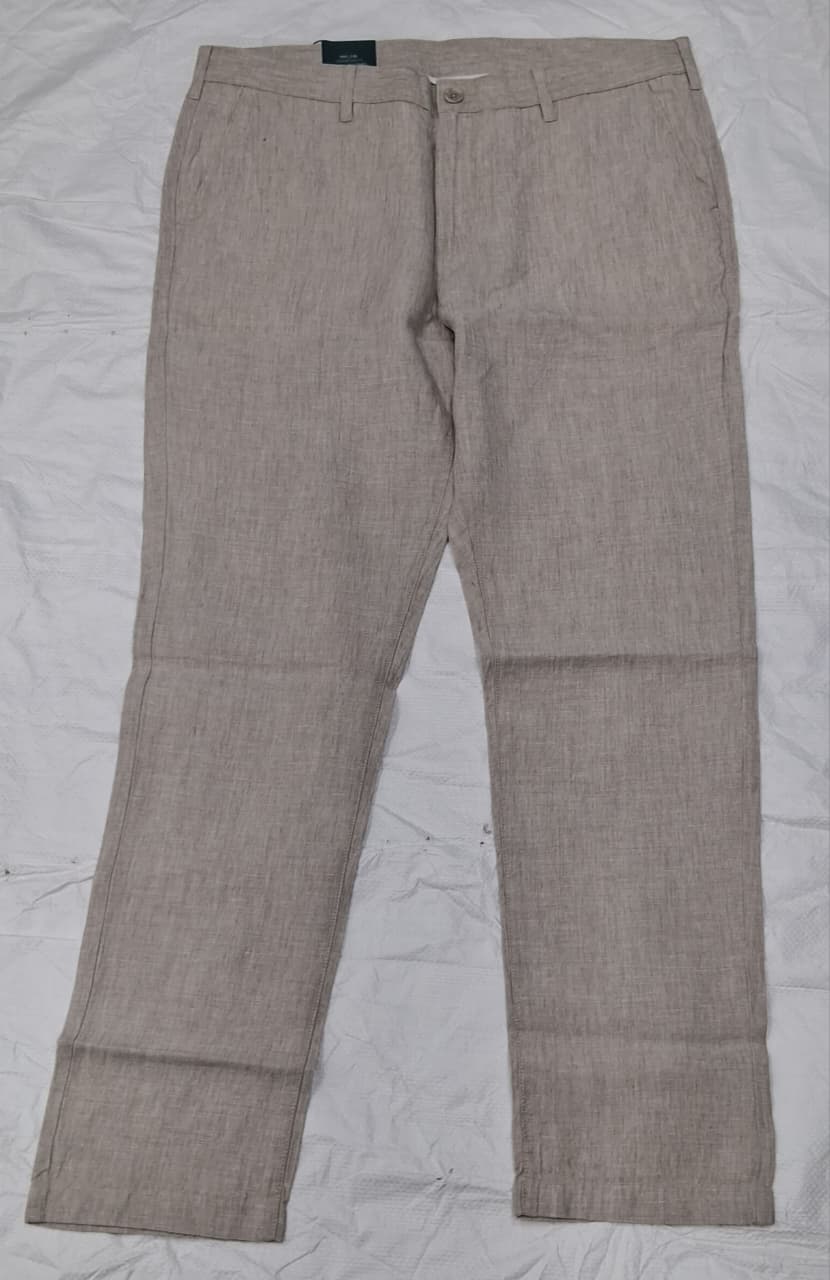
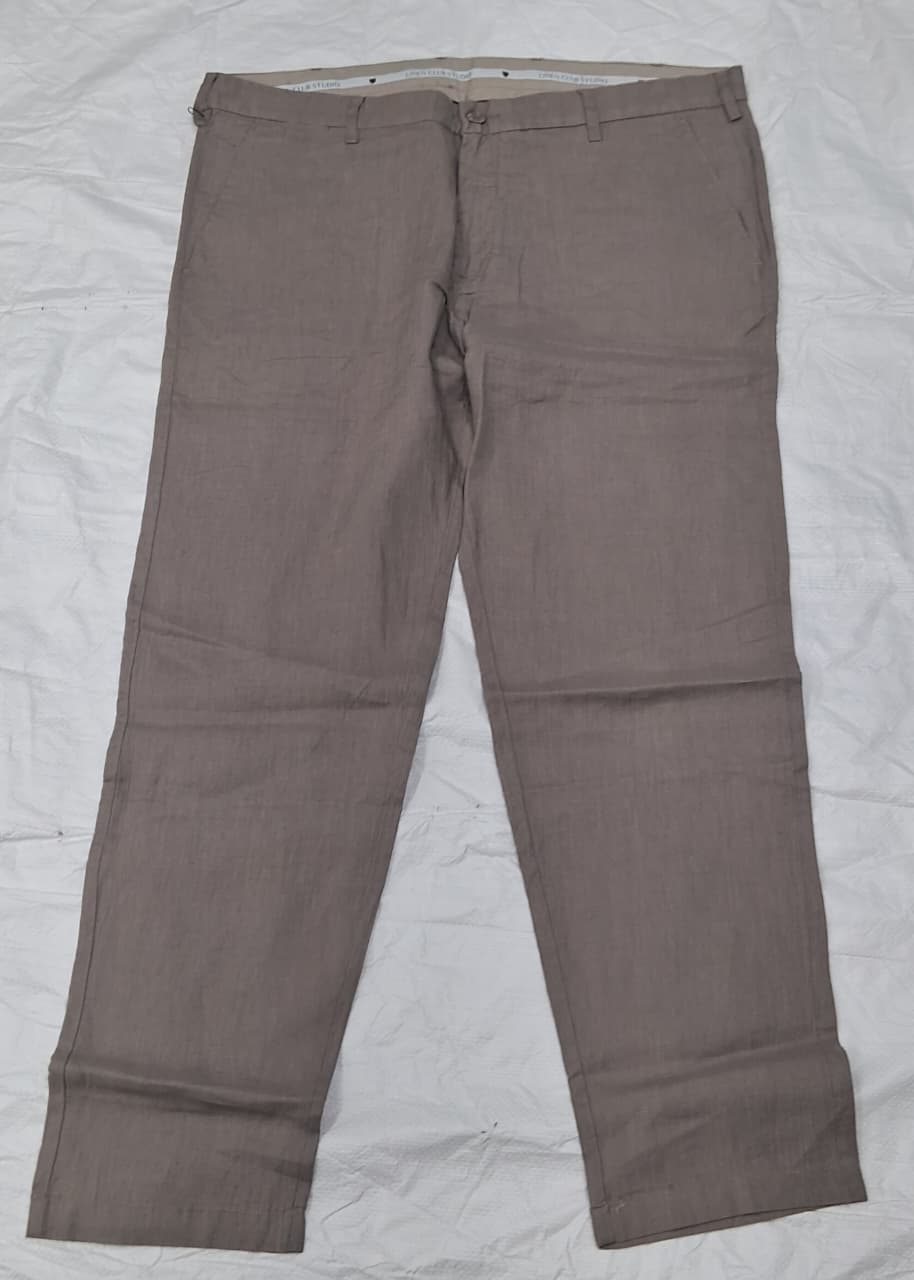
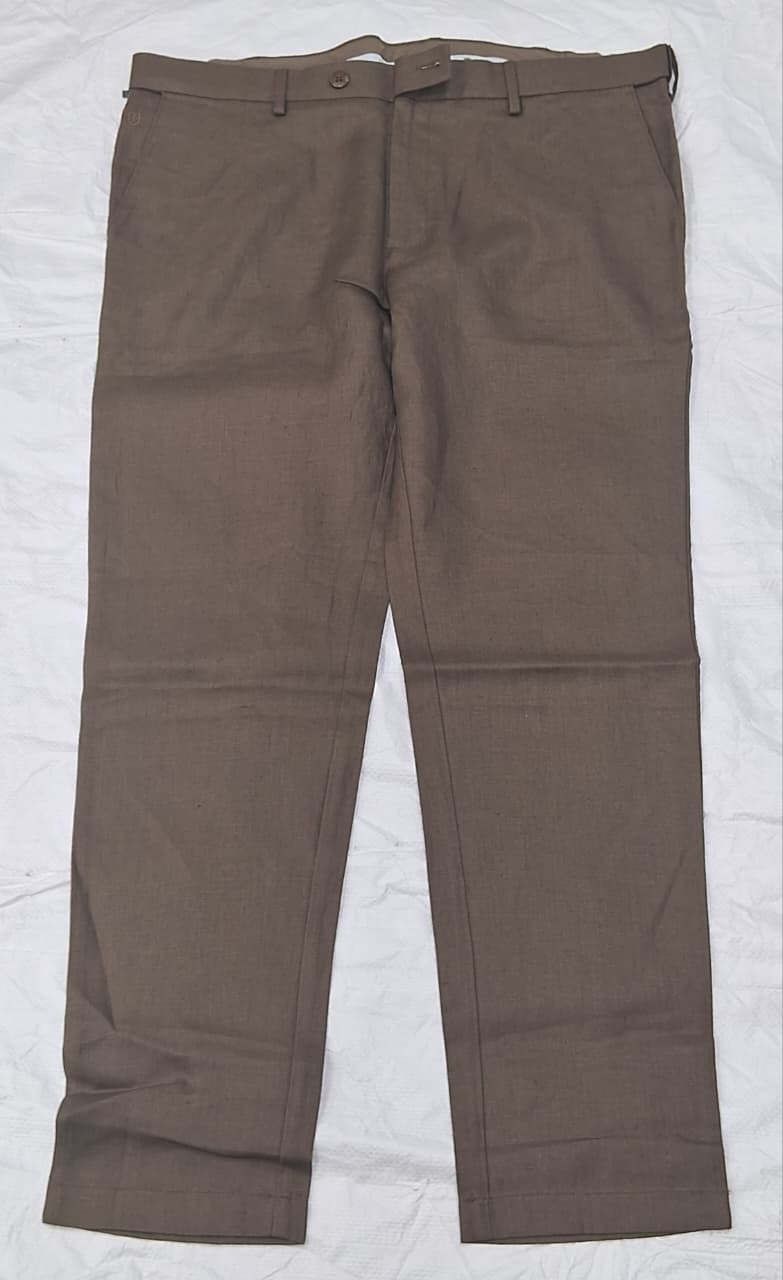
Texture comes from the weave and the yarn: twills create diagonal ribs, birdseye and nailhead weaves form tiny dot patterns, melanges mix differently coloured fibres, and slub yarns add irregular character. Texture adds depth that rewards a closer look while remaining quiet from across the room — and it hides minor creasing better than flat, smooth cloth.
Influences: visual depth, easier pairing as separates, forgiving appearance.
06
Seasonal Fabric Selection
In India’s long warm season, choose lighter cottons, linen blends and tropical suitings in lighter tones. Through the monsoon, quick-drying blends and darker colours that hide splashes make practical sense. In cooler months and air-conditioned offices, mid-weight wool blends and brushed or textured cloths add warmth and depth.
Influences: year-round comfort, appropriate colour and weight for climate.
07
Fabric Drape & Movement
Drape describes how cloth falls under its own weight. Heavier, fluid fabrics hang in a smooth line and swing gracefully as you walk; light, stiff fabrics stand away from the body. A trouser with good drape looks composed when you are still and moves with you rather than against you.
Influences: elegance in motion, clean standing line, pleat behaviour.
08
Breathability & Comfort
Breathability depends on fibre and weave. Natural fibres such as cotton, linen and wool handle moisture well, and open weaves allow air to circulate. Blends can balance comfort with easier care. For a full working day in humid weather, breathability is often the single most important quality to look for.
Influences: all-day comfort, freshness, wearability in heat.
09
Wrinkle Resistance
Polyester and polyester-viscose blends resist creasing well, which is why they are popular for travel and long days. Wool recovers naturally from creases given time to rest. Pure cotton and linen crease most readily. If your day involves long hours seated or frequent travel, a crease-resistant blend keeps you looking freshly dressed.
Influences: sharpness through the day, travel readiness, lower maintenance.
10
Fabric Maintenance
Always follow the care label first. Hang trousers by the hem or fold along the crease on a padded hanger so the line is preserved. Rest wool trousers a day between wears. Press with a damp cloth to protect the surface from shine, wash cotton blends inside out in cool water, and avoid high dryer heat, which can damage elastane.
Influences: longevity, colour retention, a crease that lasts.